
// Services
Industrial automation
From design to installation and SLA support — systems that simply work.
// Our largest business line
The whole automation project from one partner
Automating an industrial process starts with a thorough brief. We come on site, review the situation and match your goals with what today’s automation can really deliver — whether the aim is higher output, lower labour cost, more consistent quality or machines that talk to each other.
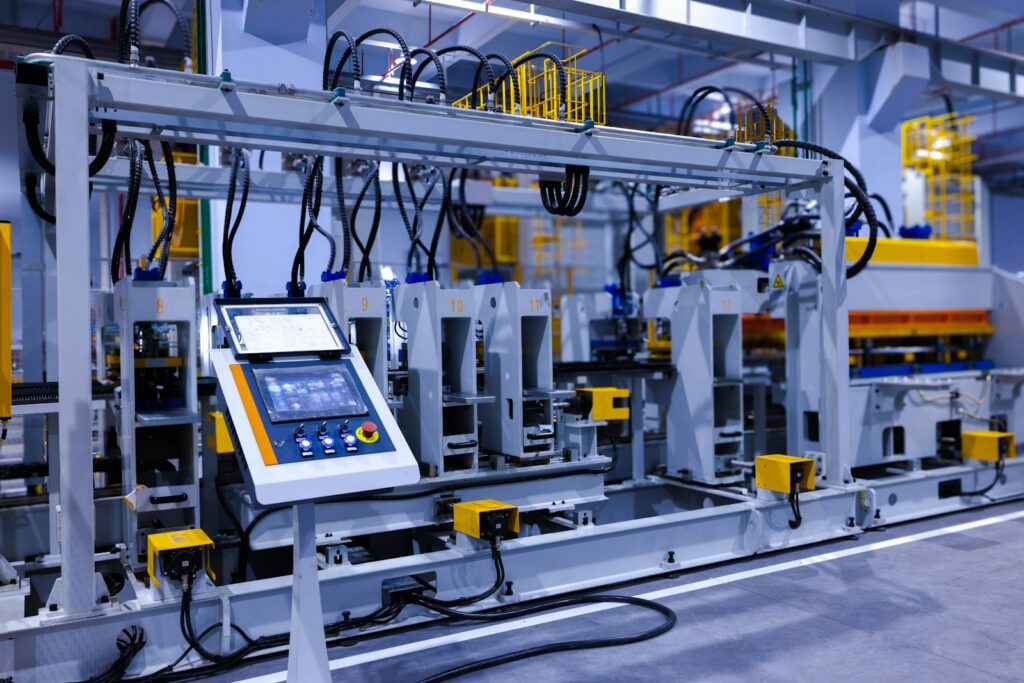
You get a complete solution from one house: design, control panel building, PLC and HMI programming, installation, commissioning and training. We use components from leading manufacturers — Siemens, SICK, Weidmüller, Eaton, Lapp — and build systems that can still be maintained and extended ten years from now.
Once the project is handed over, we don’t disappear. Maintenance, remote management and an SLA agreement keep the system healthy — like a factory doctor who does regular check-ups, not only when something already hurts.
- Automation projects
- Control panel building
- PLC programming and commissioning
- Integration of lines and equipment
- Modernisation of outdated systems
- SLA maintenance and standby service
- Troubleshooting and fault resolution
- Improving production efficiency
Tell us what you need ☎ 56 577 669
// Industries
Where we work every day
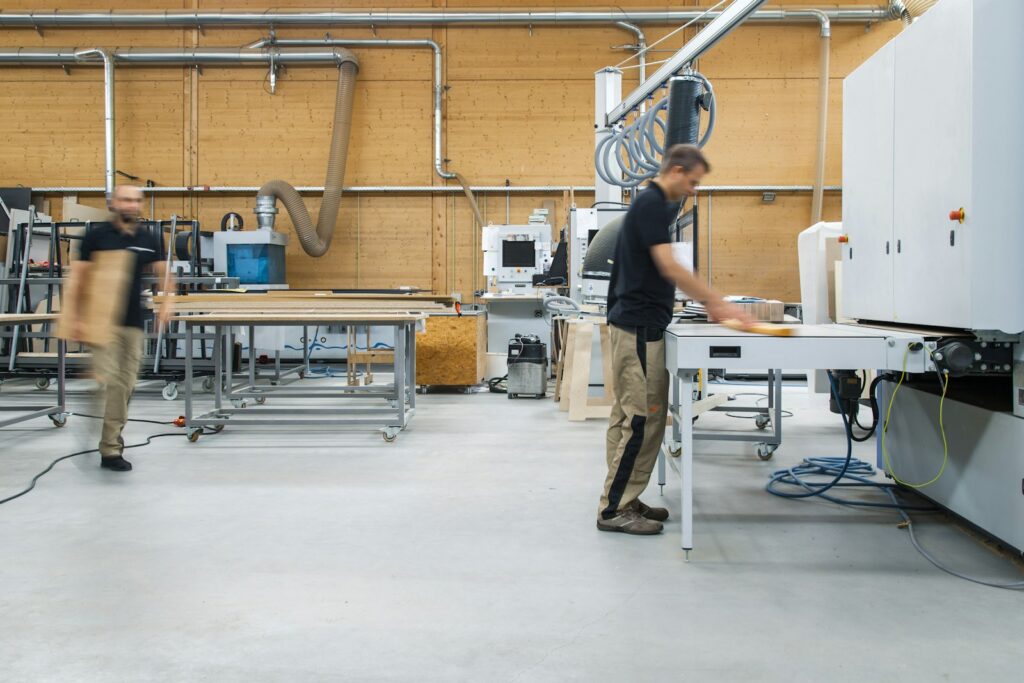
Industrial automation is a little different in every industry — in food it’s hygiene, in wood it’s dust and material flow, in water utilities it’s continuity. These are the environments we know.
Food industry
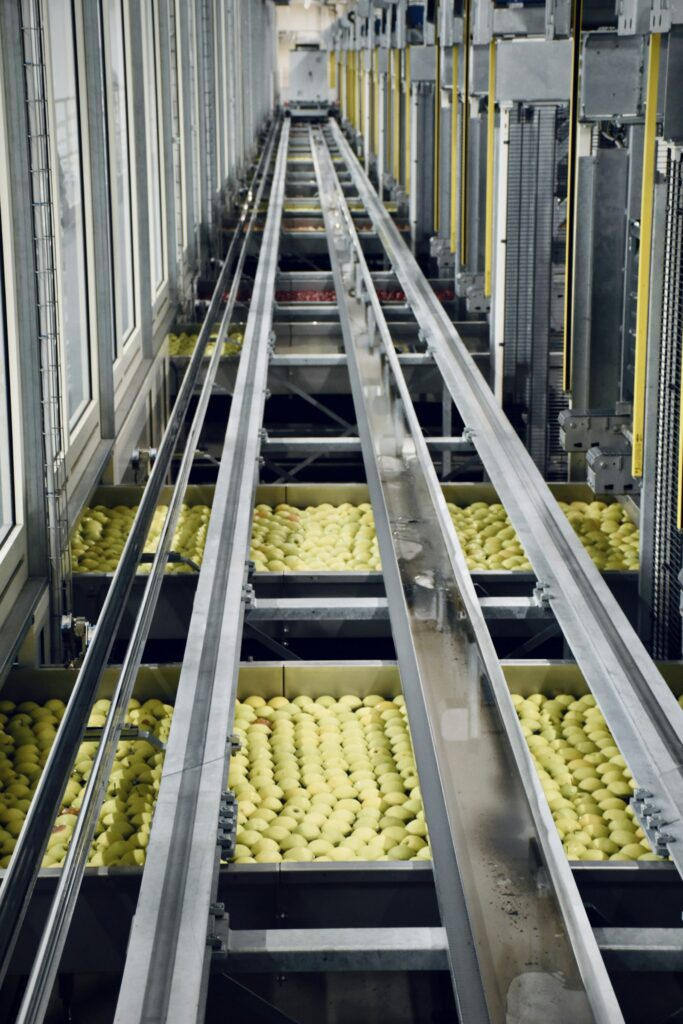
Refrigeration plants, dosing and packaging lines, pasteurisation and CIP cleaning — environments with hygiene and safety requirements where every hour of downtime is expensive.
Clients Salvest, Tere, Valio, A. Le Coq, Estover
Wood and paper industry
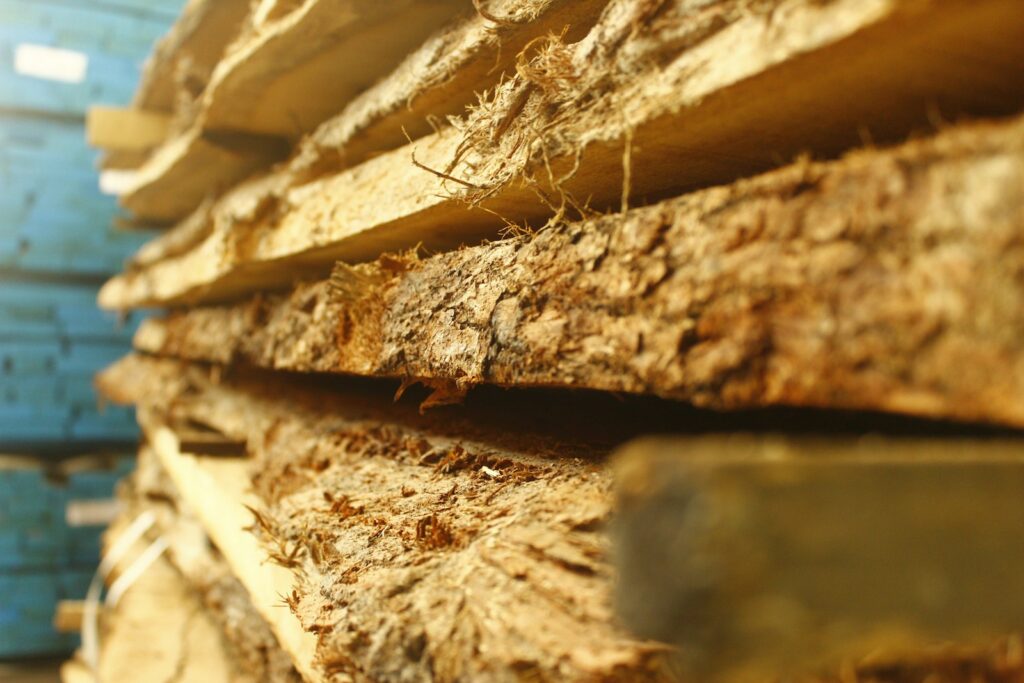
Finger-jointing and lacquering lines, planer line integration, pellet production, warehouse automation and bunkers — lots of moving material in a dusty environment.
Clients Palmako, Tartu Graanul, UPM, Thermory, Arcwood
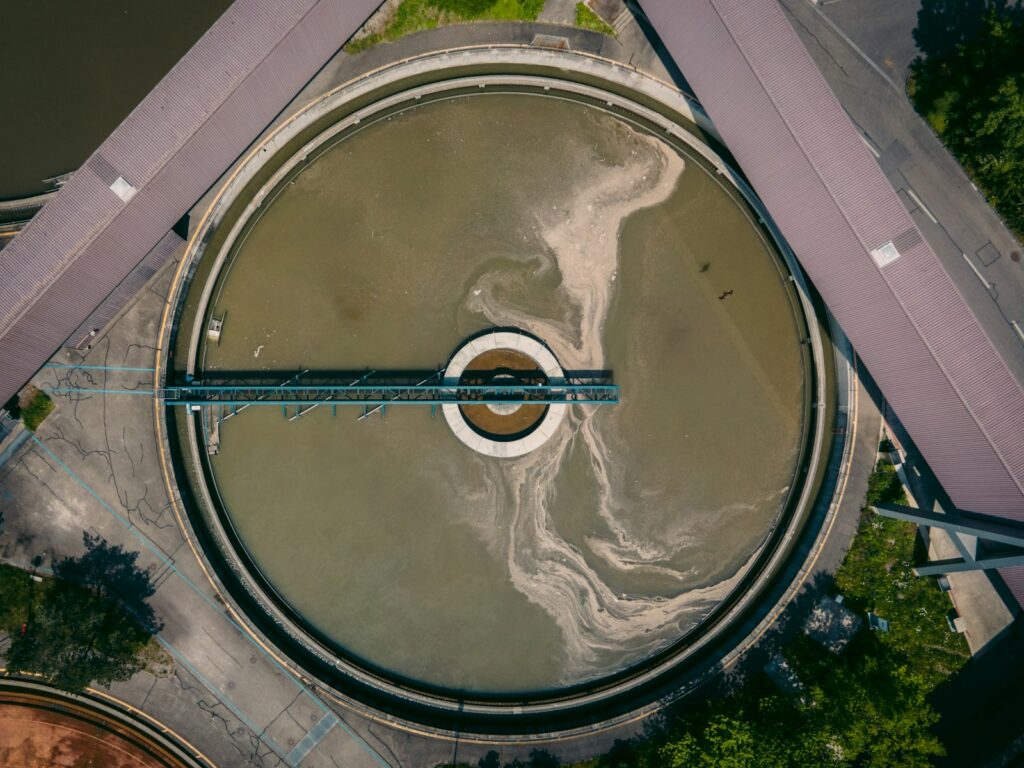
Energy and water
Boiler houses, pumping stations, wastewater treatment plants and waterworks — continuous processes whose control must work even when nobody is on site.
Clients Water utilities and heat producers across Estonia
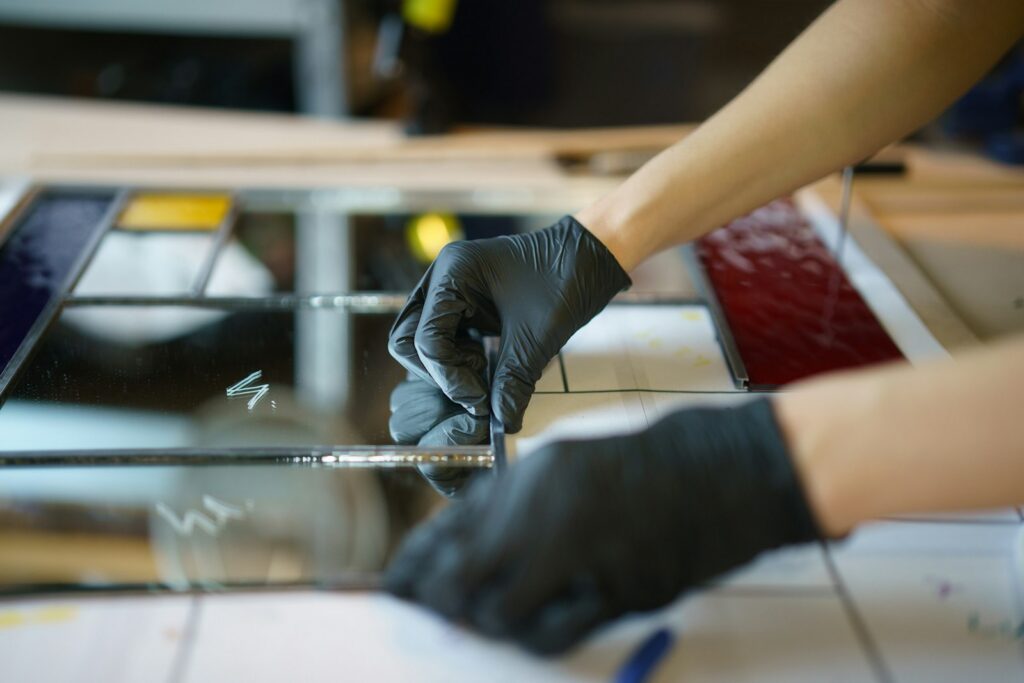
Glass industry
Glass storage and processing robots, Bystronic and Hegla machinery, integration of lines into one control system.
Clients Saint-Gobain Estonia (Tartu and Mäo plants)
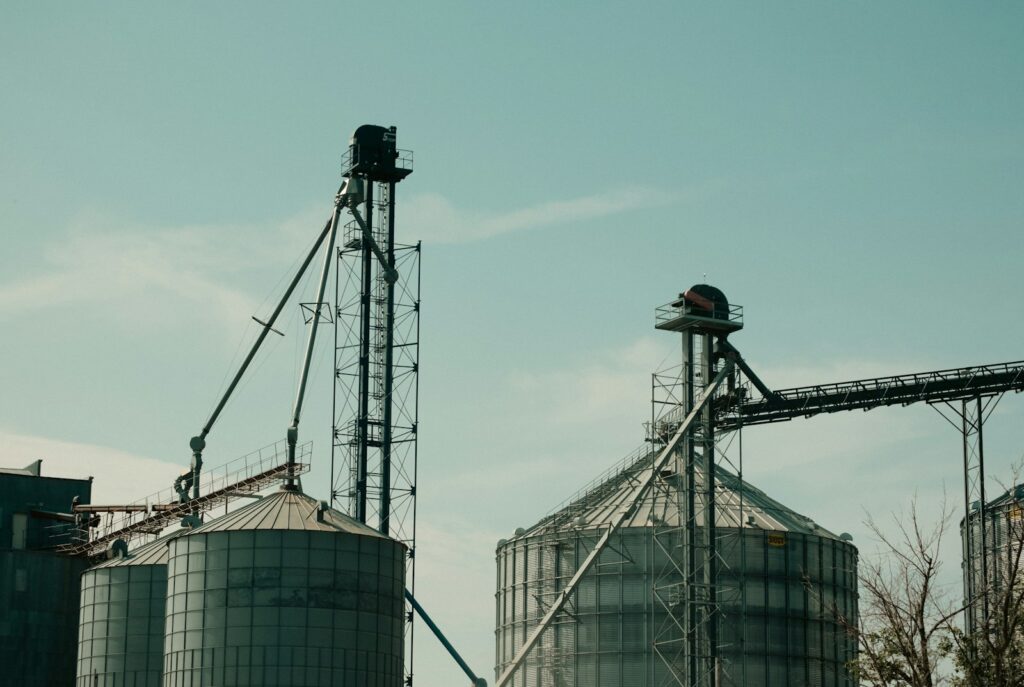
Agriculture and feed
Grain handling, silos, dryers, level measurement, and mineral feed dosing and packaging lines.
Clients Agrovarustus, Baltic Agro, Aru Põllumajandus
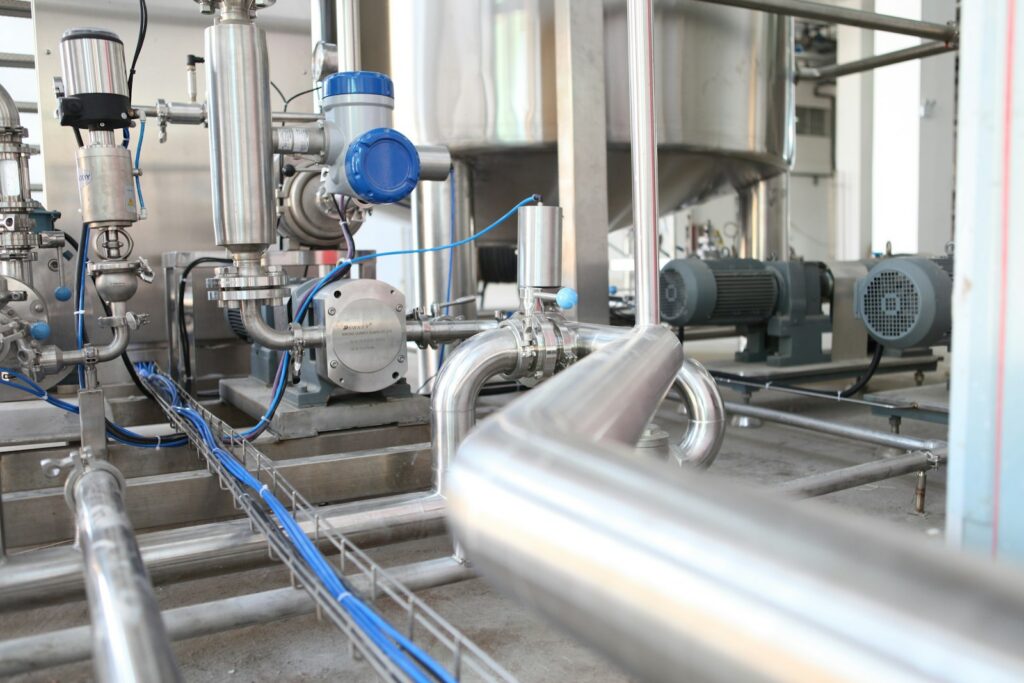
Chemical and process industry
Dosing, recipes, refining and safety-critical processes — control and SCADA as one whole.
Clients Scanola Baltic, Nordkalk, Estplast
// Solutions
What is slowing your production down?
Most automation projects start from similar problems. We have solved these situations hundreds of times — pick your problem and see how we have helped in a similar case.
// process
Automation project timeline —
from brief to maintenance
Every project goes through the same steps. So you know from the start what happens when — and we know nothing gets missed.
01
Brief and mapping
We come on site and review the process and equipment. Together we write down the goals, scope and schedule — and tell you honestly whether and how we can help.
02
Design and simulation
Automation design, control system architecture and, where needed, process simulation, so decisions are made before anything is manufactured.
03
Panel building and factory test (FAT)
We assemble the control panel in our workshop and test it together with the program before anything goes to site.
04
Installation
We install the equipment, wiring, sensors and safety guarding — alongside production where possible, in agreed downtime windows.
05
Commissioning and site test (SAT)
We bring the line into operation, test the safety system and control with real material, and fine-tune the system for best efficiency.
06
Documentation and training
You keep clear electrical drawings, program backups and user manuals. We train the operators and maintenance team before handover.
07
Maintenance and SLA
Remote management, preventive maintenance and an agreed response time. The system stays in working order and grows with the factory.
Where to start?
Describe your situation — an engineer reviews it and we reply within one working day.
// Automation SLA
After handover
the second half of the work begins
A system we have built must still work years later. That is why we offer an SLA agreement with every project: we map the critical points of the factory, maintain on an agreed schedule and keep you informed about the real condition of your equipment.
Scope and terms are agreed per client — without an agreement we help on a time-and-materials basis, on working days.
Mapping and thermography
We start by mapping the factory and its panels: critical points, panel condition, thermal images. We prioritise lines and panels by how critical they are to production.
Scheduled maintenance
On an agreed schedule: panel cleaning and inspection, terminal tightening, fuse checks, program backups and testing.
Technical support on working days
An engineer is available on working days from 8 to 17. We respond to an SLA client’s fault report within the same working day, often remotely without a site visit.
Reports and spare parts
A periodic overview of maintenance results, fault trends and recommendations — with a list of critical spare parts, so they are in stock before they are needed.
Before you start
Do you also take on smaller jobs?
Yes. Cooperation often starts with one panel, sensor or fault. A small job is a good way to try each other out — and once trust builds, a bigger project often grows from it.
What if the equipment or system is outdated and the manufacturer no longer supports it?
That is our daily work. We map what still works and where the risk is, and modernise the control system step by step — what works stays, risk points are replaced. We recreate missing drawings and bridge old protocols to new ones.
How much does an automation project cost and what affects the price?
The price depends mainly on the number of signals and devices, safety requirements and how much of the existing equipment can be reused. After the first meeting we give an indicative cost and a quote with clear scope — what is included and what is not. Larger projects are split into stages to spread the investment.
Get in touch ☎ 56 577 669