
// Services
Robotics
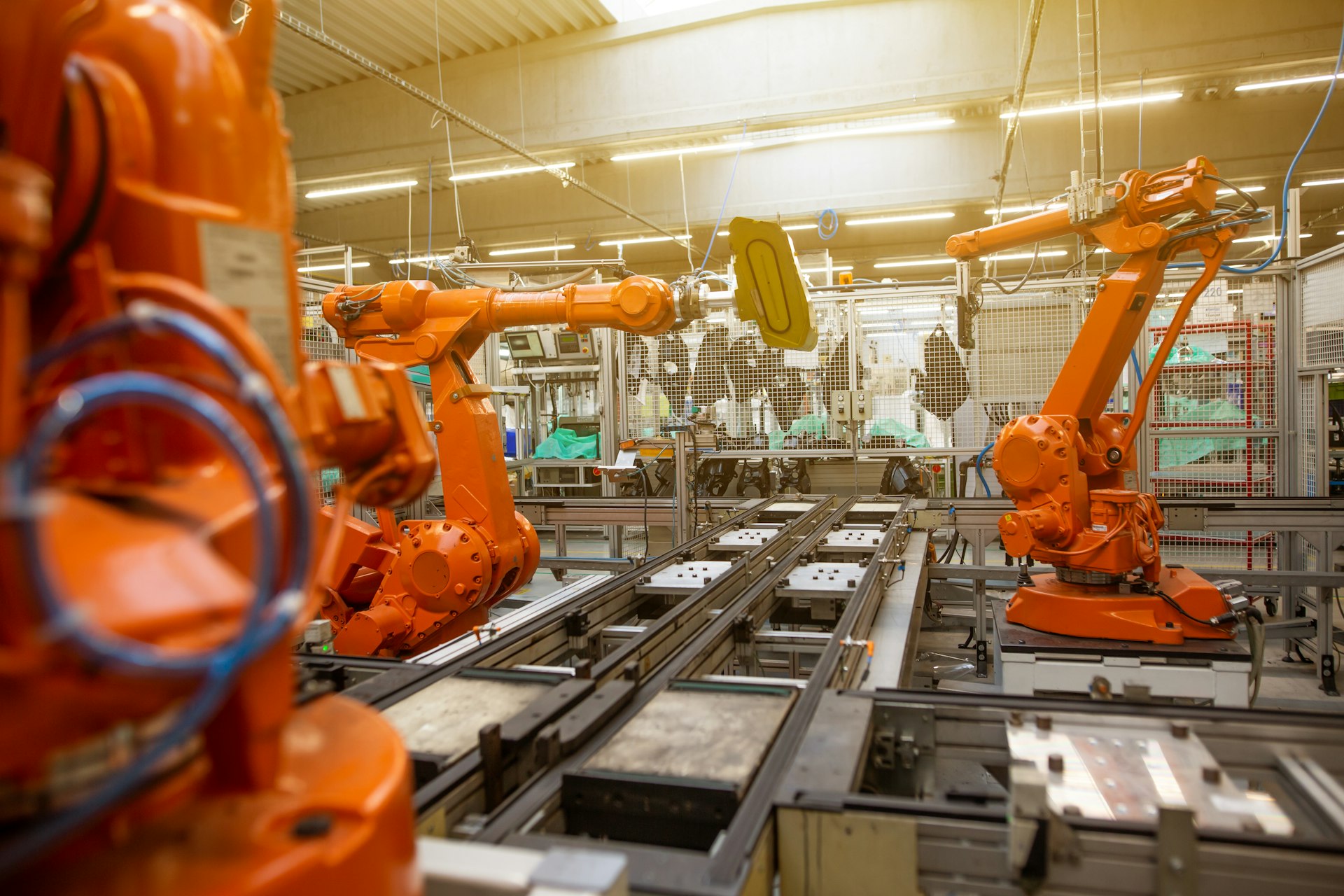
A robot does the work you can’t find people for — simple, reliable solutions.
// Woboton — a member of Atemix Group
A robot cell that pays for itself
We help identify which processes are worth handing to a robot: repetitive, physically exhausting or hazardous work where people are hard to find and keep.
We deliver the robot cell turnkey: payback analysis, design, integration with the existing line, safety, training and after-sales service.
For us a robot is not an island. Since we also do automation and software ourselves, we tie the robot cell into the existing line, conveyors and SCADA as one whole — and we can also tell you when a robot is not the right answer to your problem.
We always start with payback: we map the process, calculate the cycle time and payback period, and tell you honestly whether and with which robot the job pays off.
We work with the world’s leading manufacturers: FANUC, OnRobot, Schmalz, BeA. Our robotics business is led by Woboton, a member of Atemix Group.
- Payback analysis and digital audit
- Turnkey robot cells
- Palletising and packaging
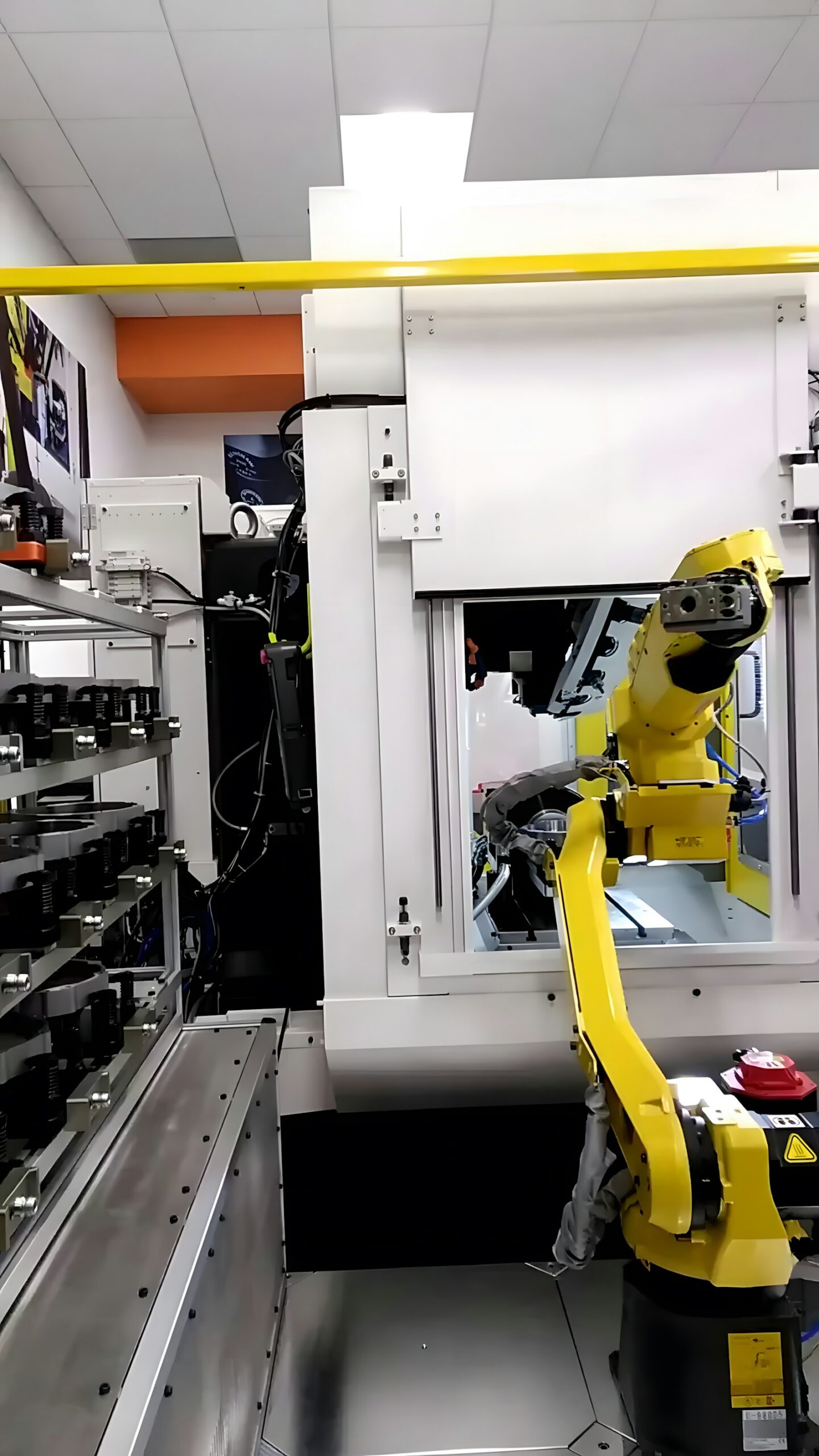
- CNC machine tending
- Collaborative robots (cobots)
- Rental (RaaS) and financing
- Safety solutions and guarding
- Training and after-sales service
// Benefits
What a robot changes in your factory
The work gets done even when there is nobody to do it
A robot works three shifts and doesn’t leave for a competitor. People can be moved to work that requires thinking.
Consistent quality
Every box, weld or part is exactly the same — scrap and rework go down.
Safer, lighter work
Heavy lifting, monotonous repetition and hazardous zones go to the robot; accidents and sick days go down.
Payback you can calculate in advance
Cycle time, throughput and payback period are known before the investment, not after.
Flexible even for small batches
A cobot is set up for a new product in hours, not weeks.
Part of the whole, not an island
The robot is tied into the line, conveyors and SCADA — one system, one responsible party.
Tell us what you need ☎ 56 577 669
// Industries
Robots work where people are hardest to find
Palletising, packaging, stacking, machine tending — repetitive and exhausting work is a little different in every industry. These are the environments where our robot cells run today.
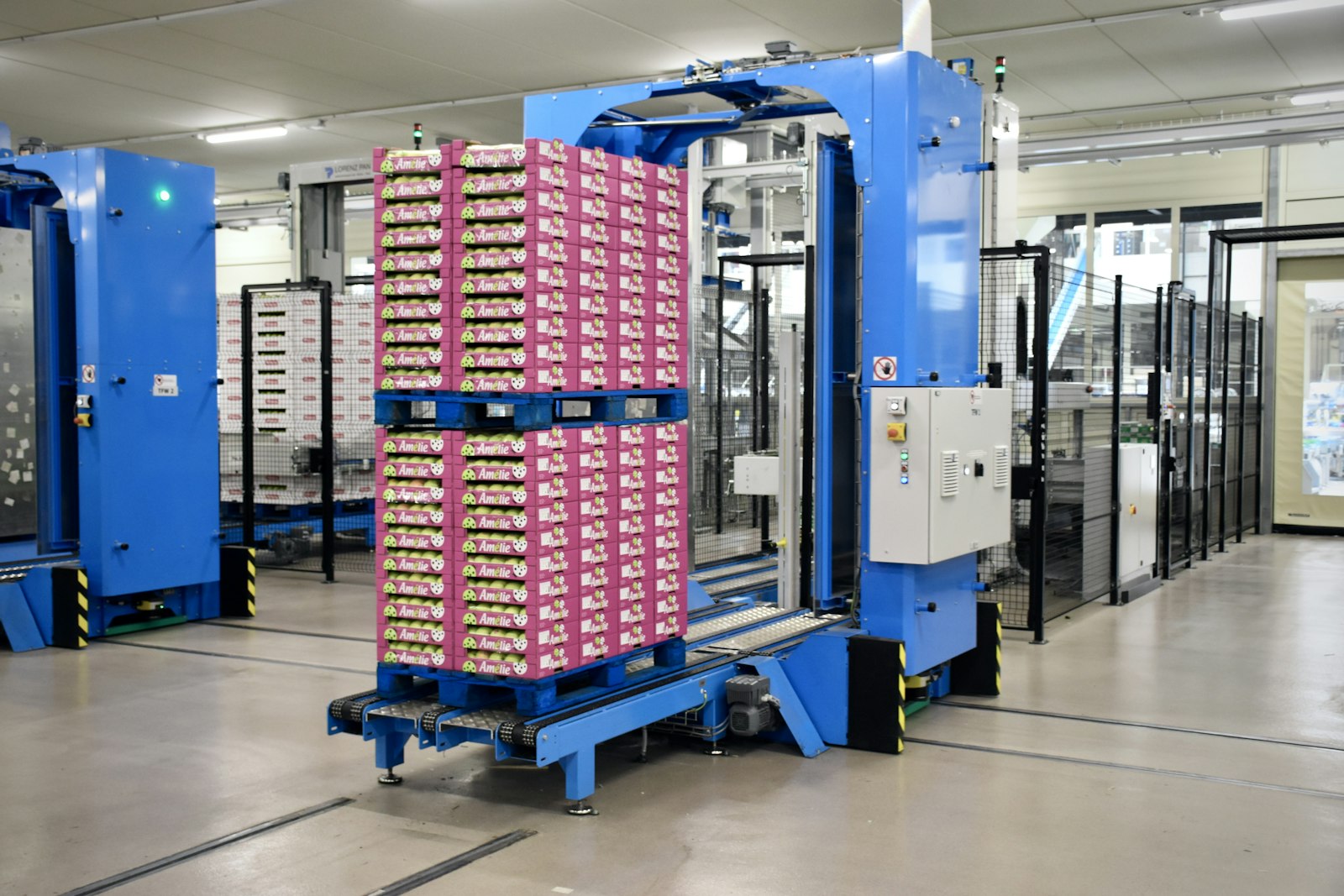
Food and beverage industry
Palletising boxes and bags, packaging and pallet handling at the end of the line — the most common and fastest-paying place for a robot.
Clients Salvest, Tere, Atria, Eesti Leivatööstus
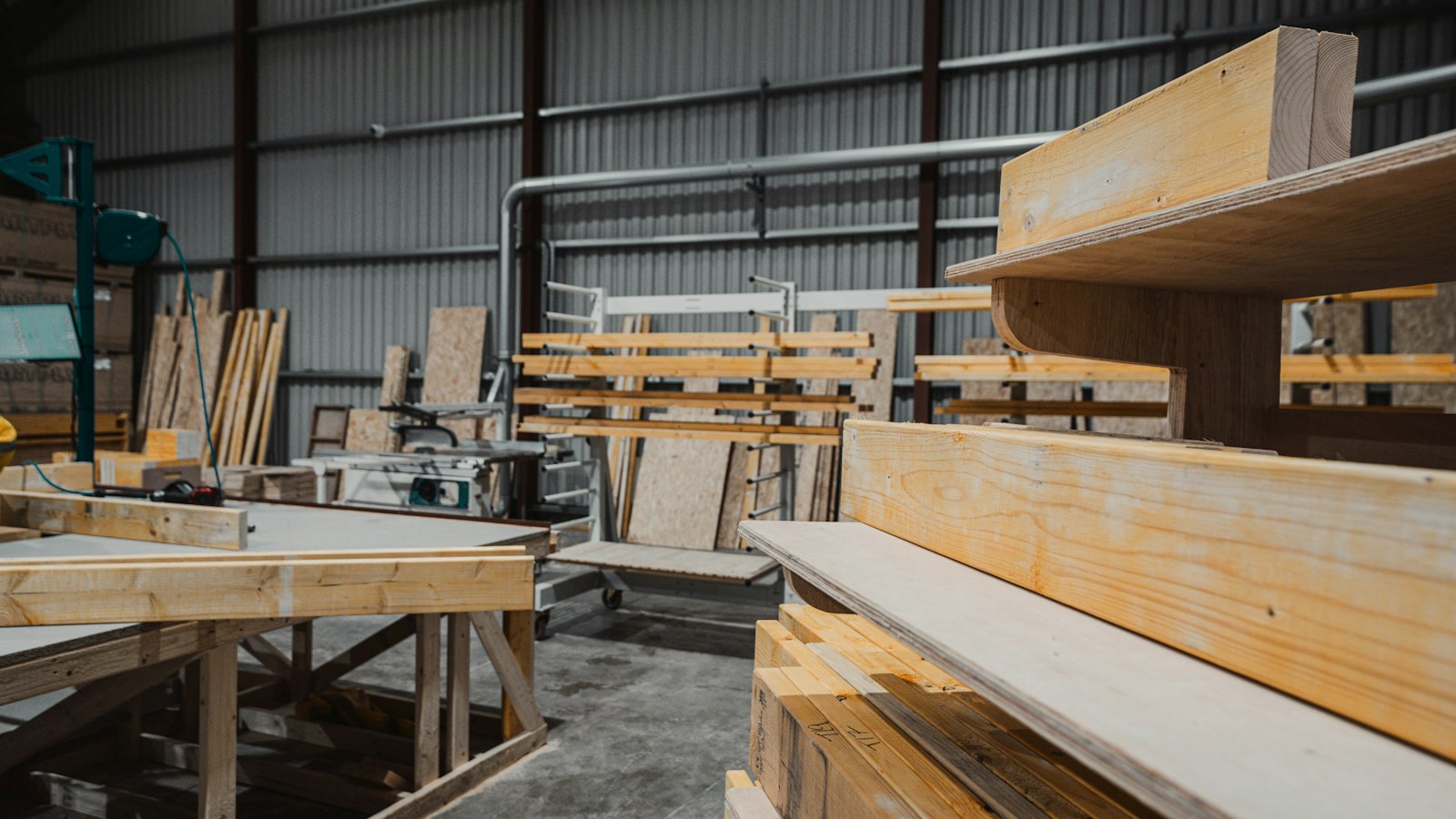
Wood and furniture industry
Stacking, packaging and handling parts between lines — work where heavy, repetitive lifting wears people out fast.
Clients Estonian Plywood, Thermory, Palmako, Lasita Maja
Metal and machine building
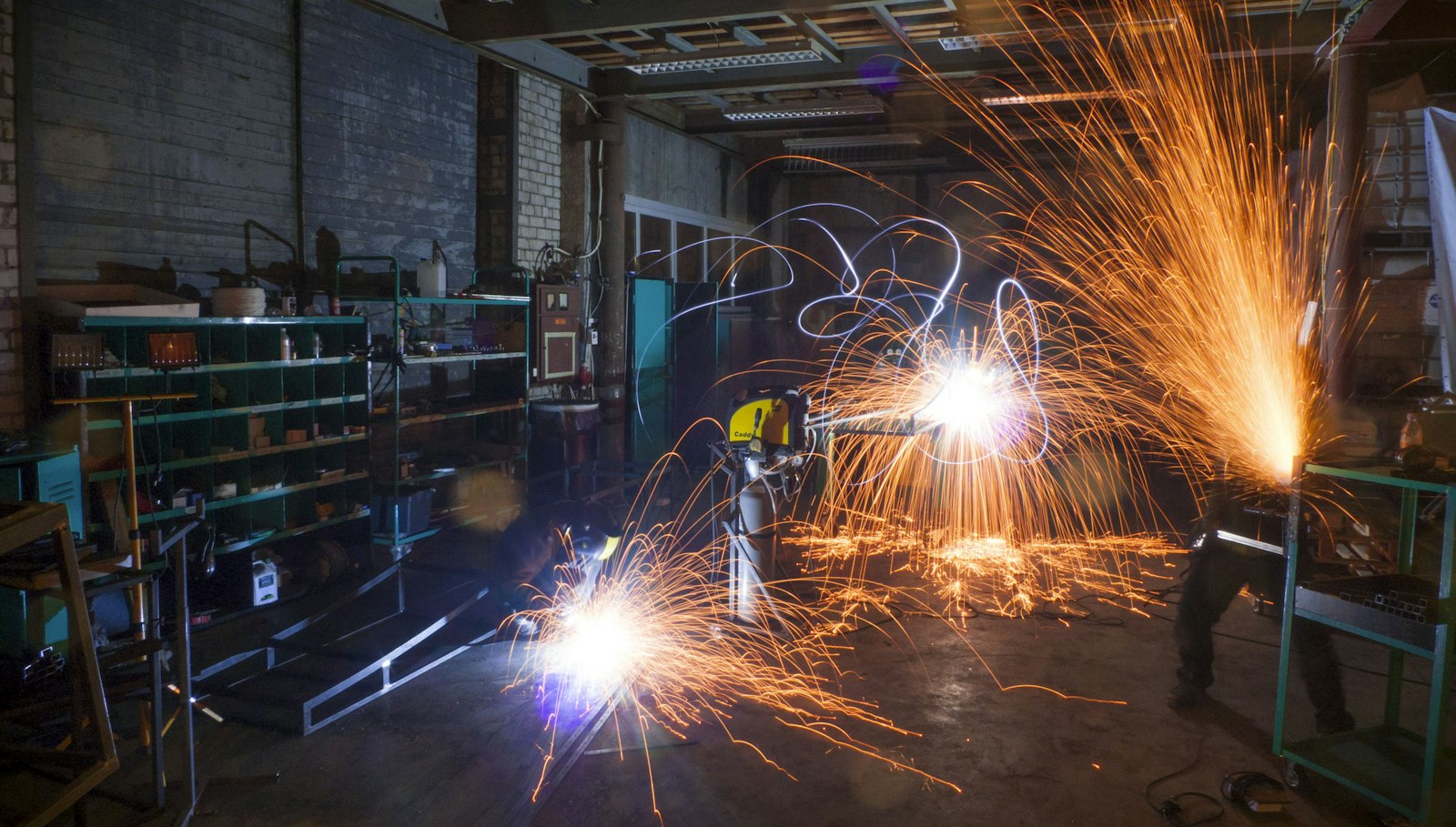
Robotic welding, CNC machine tending and part placement — consistent quality even when welders can’t be found.
Clients Tarmetec
Building materials
Stacking blocks, stones and packages in a dusty, heavy environment where a robot holds up better than a person.
Clients Bauroc, Nordkalk

Chemicals, feed and agriculture
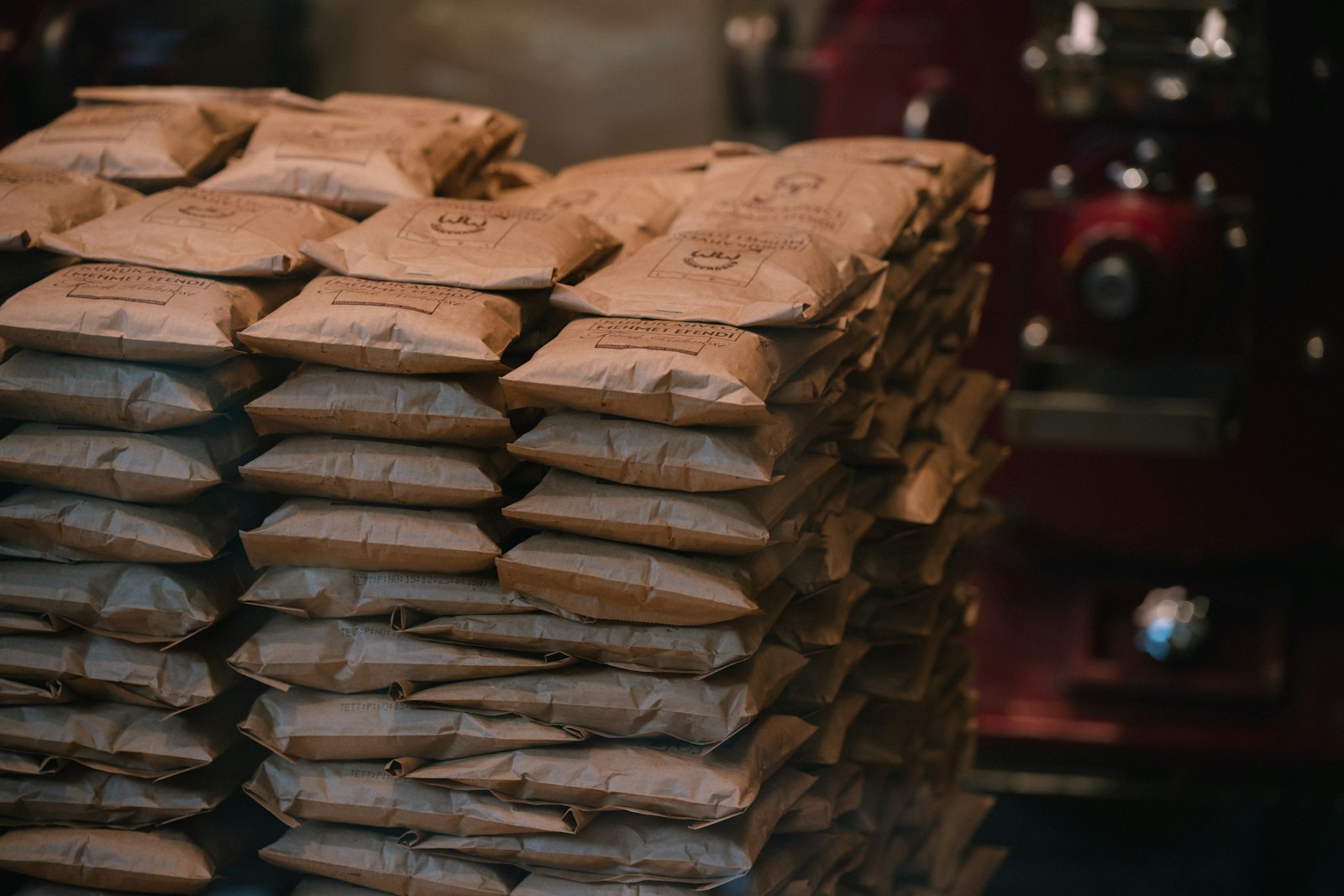
Palletising bags and big bags and end-of-line packaging — heavy, dusty work a robot does without tiring.
Clients Scanola Baltic, Baltic Agro, ARU, MM Maailm
// Solutions
What is slowing your production down?
Most robotics projects start from the same worry: people can’t be found, the work is exhausting or quality fluctuates. We have solved these situations dozens of times — pick your problem and see how we have helped in a similar case.
// Lifecycle and process
From idea to a working robot cell —
from payback calculation to after-sales service
Every robotics project goes through the same steps. So you know from the start what happens when — and we know nothing gets missed.
01
Payback analysis and digital audit
We map the processes where a robot pays back fastest: cycle time, throughput, estimated cost and payback period. We also tell you when a robot is not the right solution.
02
Concept and simulation
Robot type, gripper, cell layout and safety zones. For a more complex cell we verify the cycle time in simulation before ordering anything.
03
Design
Mechanical, electrical and safety design, control logic and integration with the existing line. Risk assessment and CE compliance are part of the project, not an extra.
04
Build and programming
The cell is built and programmed at our premises and tested with your products (FAT — factory acceptance test before delivery).
05
Installation and commissioning
We install the cell with minimal production downtime, tie it into the line and SCADA, and confirm throughput in real production (SAT — site acceptance test).
06
Safety and training
Safety device checks and operator training: daily use, product changeover and clearing simple faults require no programming skills.
07
After-sales service and further development
Scheduled maintenance, spare parts and program adaptation for new products — under an SLA agreement or the rental model (RaaS).
Where to start?
Describe your situation — an engineer reviews it and we reply within one working day.
// Robotics SLA
A robot needs maintenance
like any production machine
Lubrication, reducers, gripper wear parts and program adaptations for new products. In the SLA we agree the maintenance schedule, support hours and response — so the robot runs as reliably for years as on day one.
Scope and terms are agreed per client — without an agreement we help on a time-and-materials basis, on working days.
Scheduled maintenance
Regular maintenance of the robot and gripper on the manufacturer’s schedule: lubrication, battery replacement, calibration and safety device checks.
Spare and wear parts
Gripper suction cups, cables and other wear parts kept in agreed stock; we answer a spare parts enquiry within one working day.
Technical support on working days
An engineer is available on working days from 8 to 17. We respond to an SLA client’s fault report within the same working day.
Program adaptations and RaaS
A new product or package means a new program — we do it within the agreement. In the rental model (RaaS) maintenance is included in the monthly fee.
// FAQ
Before you start
Does a robot pay off for small batches?
Often yes. Cobots are quick to reconfigure and the rental model lets you start without a large investment. The payback analysis shows before the decision whether it works in your production.
How long does it take to deploy a robot cell?
A typical palletising cell is running within a few weeks. More complex integrations we map and schedule together with you so that production downtime stays minimal.
Do employees need special training?
We train the operators during handover. Daily use, product changeover and clearing simple faults require no programming skills.
How is the price of a robot cell formed and can it be rented?
The price depends on the robot type, gripper, safety solution and the extent of integration — during the payback analysis we give an estimated cost and payback period. The rental model (RaaS) lets you start with a monthly fee and no large upfront investment.
Tell us what you need ☎ 56 577 669