
// Services
Industrial software
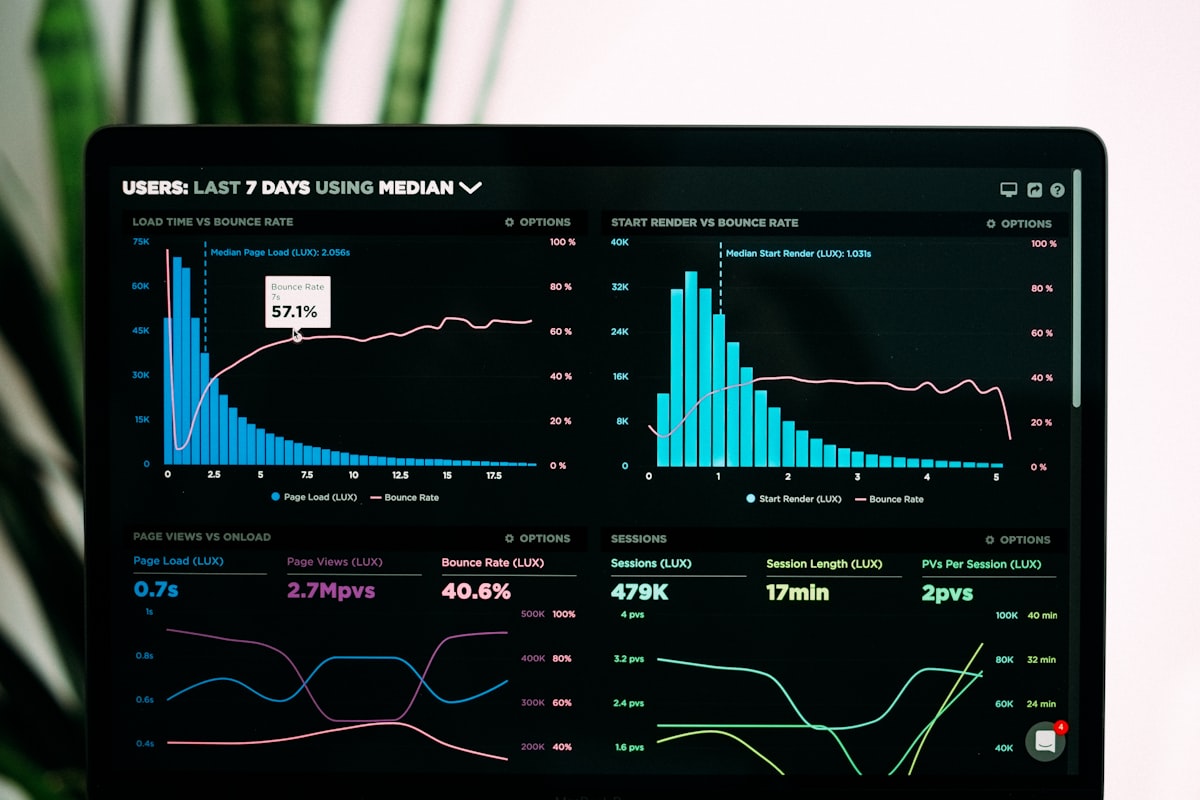
The whole factory on one screen — real-time data to manage and decide by.
// SCADA and industrial software
SCADA raises the efficiency and profitability of your production
SCADA brings data from sensors, controllers and machines into one environment: you see in real time which lines are over- or under-loaded, react to alarms immediately and monitor the factory from your phone.
For us industrial software is wider than SCADA: PLC and HMI programming, data collection and reports, OEE and energy monitoring, and integrations with ERP and other business software. We build the layer that ties machines, people and decisions into one picture.
We are a Gold partner of the Ignition platform. A server-based licence means an unlimited number of users, tags and devices — growth brings no new licence fees.
Our goal is to raise the productivity of every factory by at least 30%.
Software is never completely finished. That is why we stay alongside after go-live — monitoring, updating and developing the system together with the factory, so it runs as reliably in ten years as on day one.
- Ignition SCADA development
- PLC and HMI programming
- Siemens WinCC solutions
- OEE and downtime measurement
- Energy monitoring
- ERP and database integrations
- SMS/e-mail alarm notifications
- Remote management and support
// Benefits
What SCADA changes in your factory
Control from one place
Data from all machines in one environment — you monitor and control the whole system as one.
See in real time
Which lines are under-loaded and which overloaded — balance the workload based on data.
React to alarms immediately
Downtime is a direct loss. Alarms and notifications reach the right person in seconds.
Monitor from anywhere
From the operator panel, a computer or a phone — the factory travels with you, even on holiday.
Monitor energy
Water and energy consumption in real time — find the waste and cut costs.
Decide on data
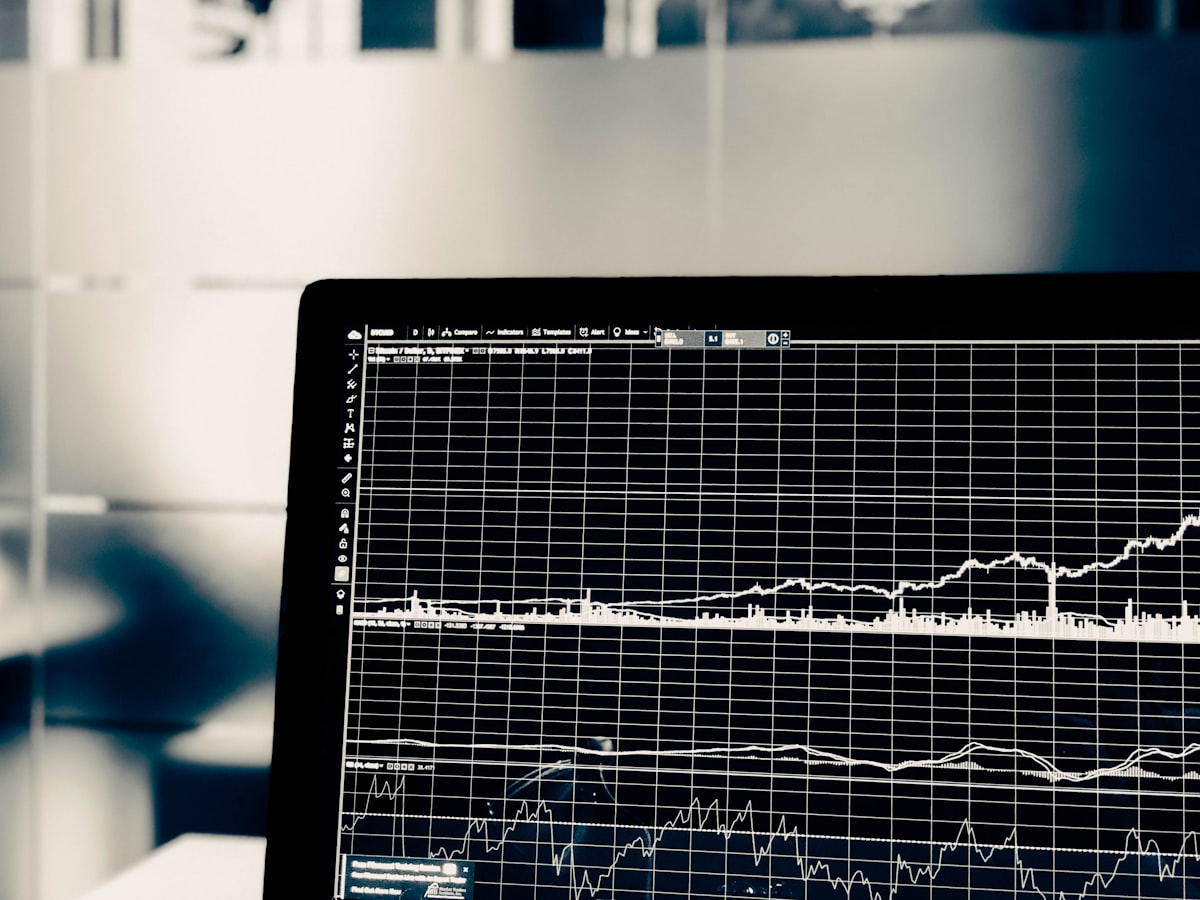
Historical charts and reports show trends that gut feeling can’t see.
Tell us what you need ☎ 56 577 669
// Industries
Works where downtime costs the most
SCADA is a little different in every industry — in a refrigeration plant it’s safety, in water utilities standardisation and continuity, in food traceability. These are the environments where our systems run today.
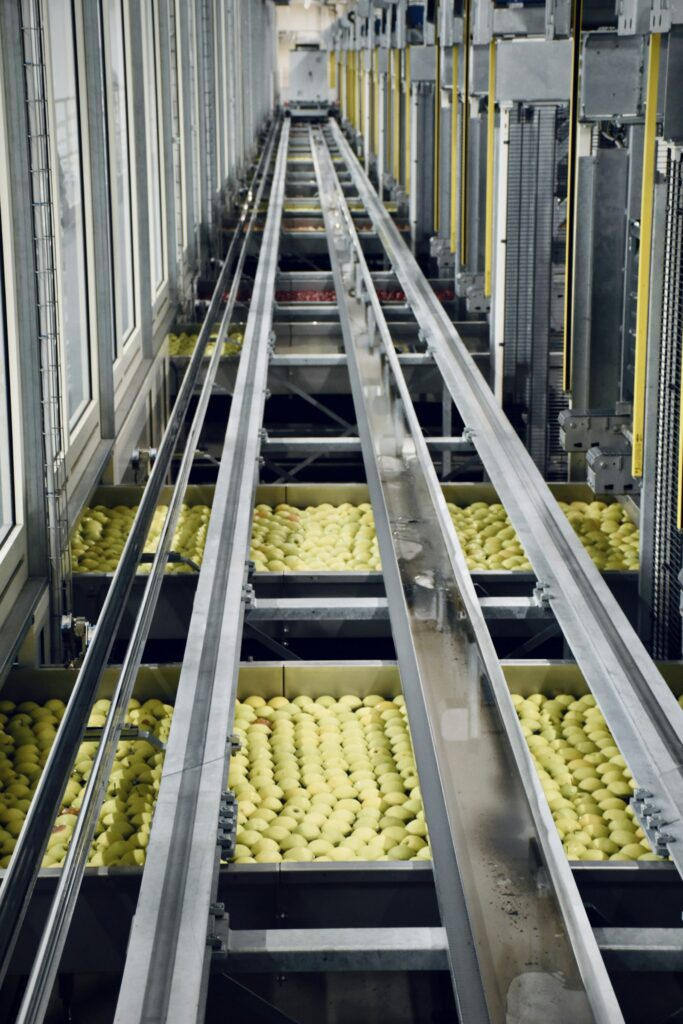
Food industry
Raw material quantities, machine states, water and energy consumption — a quantitative overview of the whole factory in one view, for the operator and the manager alike.
Clients Salvest, Tere, Valio, A. Le Coq
Refrigeration plants and safety-critical systems
Ammonia refrigeration and other safety-critical processes: alarm levels, SMS and e-mail notifications to the right person, event log.
Clients Tere, Estover
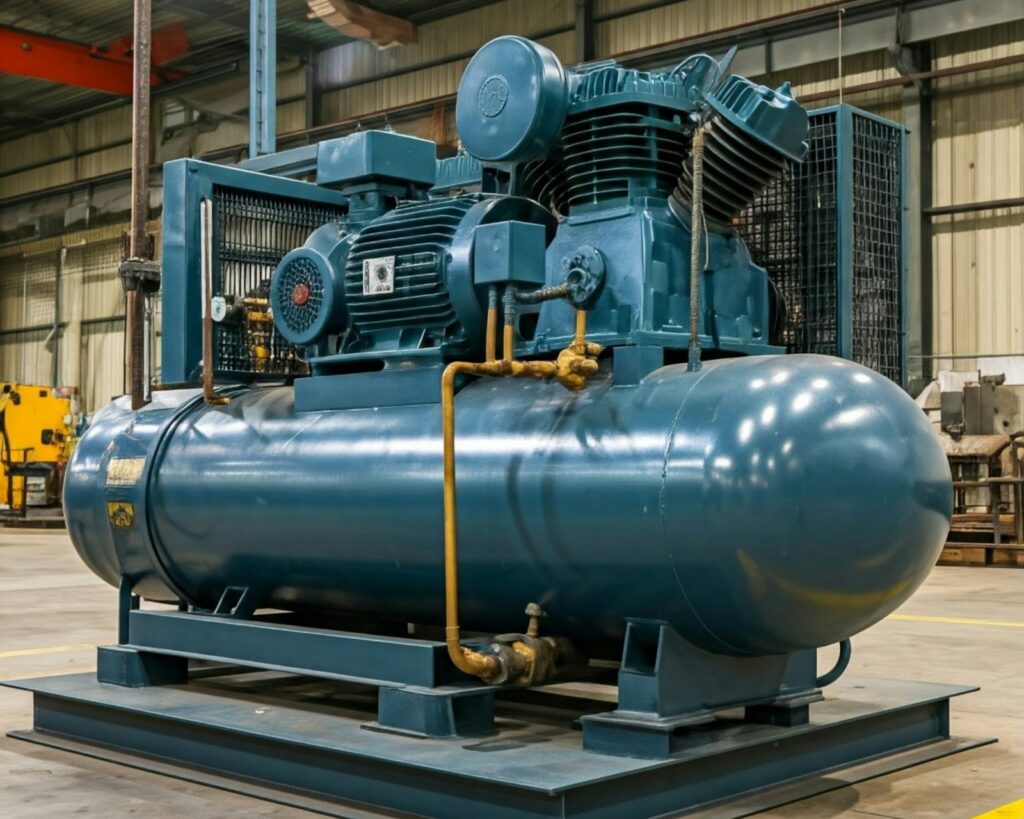
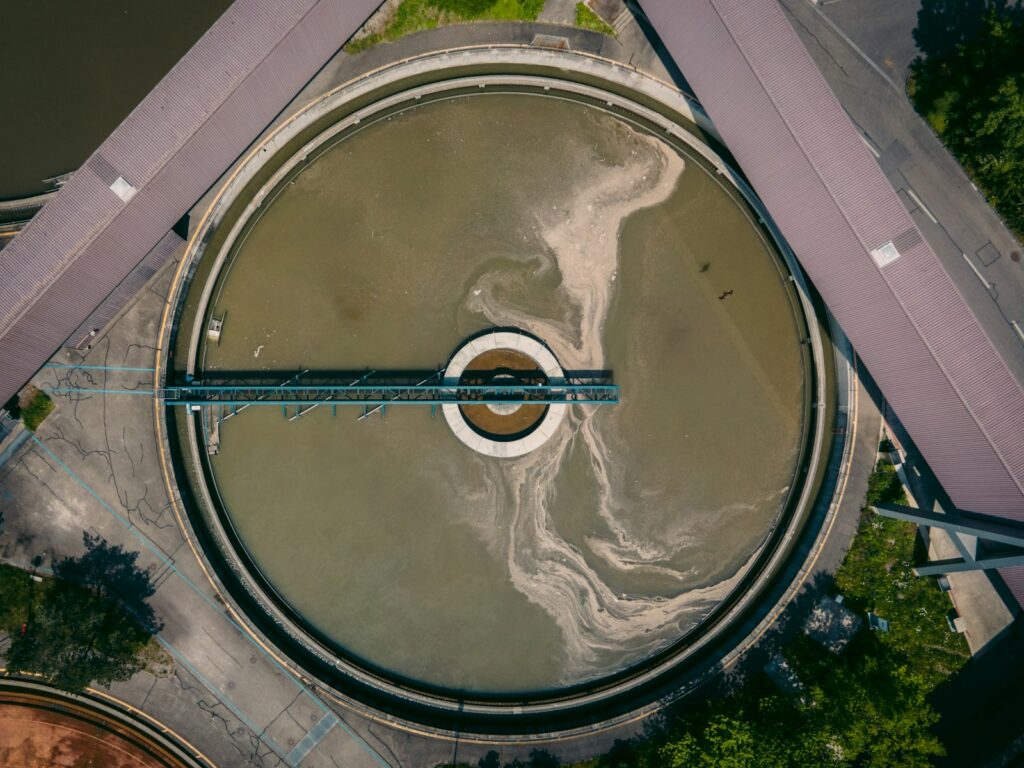
Water and water utilities
Pumping stations, treatment plants and booster stations in one management environment. Standardised and modular — a new site is added with the same rules.
Clients Estonian water utilities
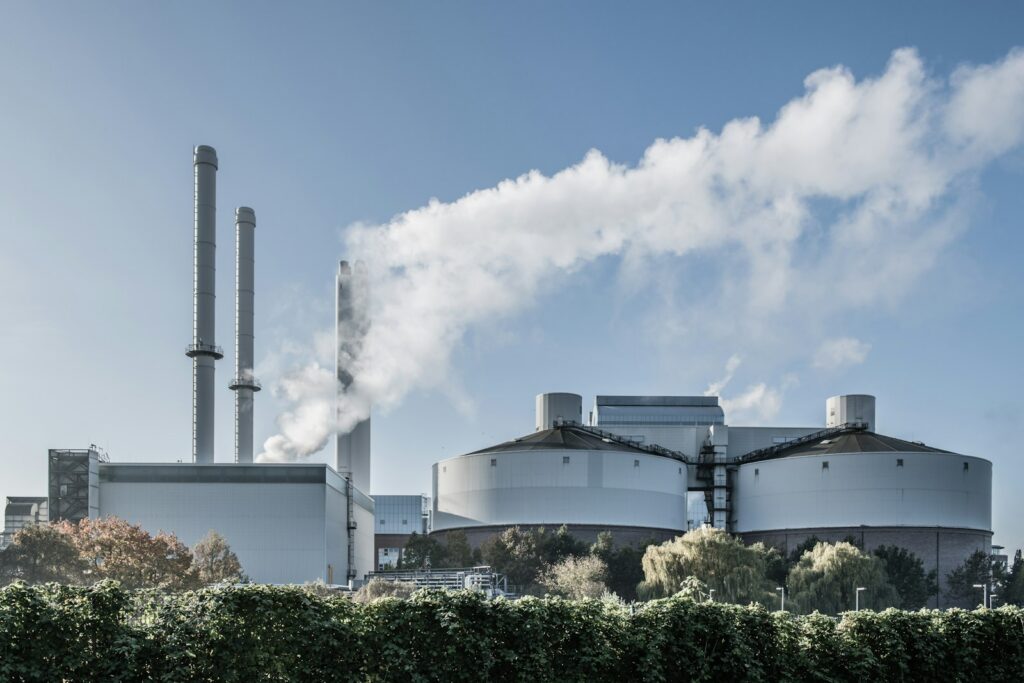
Energy and boiler houses
Boiler houses, LNG stations, solar and wind farms and battery storage — production and consumption monitored and controlled from one place.
Clients Valio (LNG boiler house), energy producers
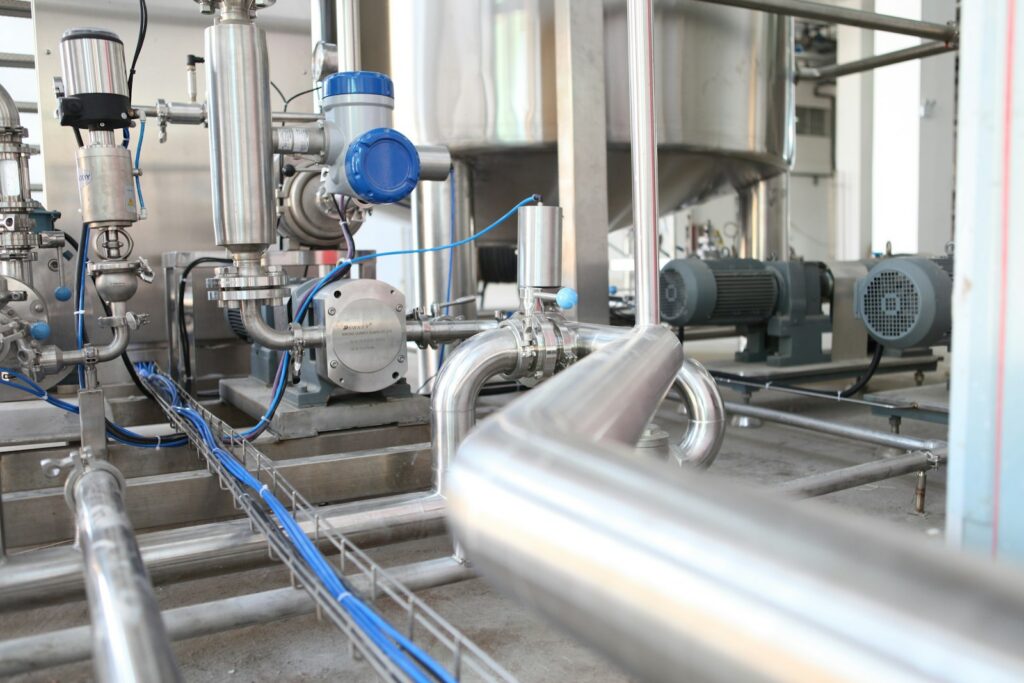
Process industry and refining
Lines and machines controlled from separate computers are tied into one whole — recipes, trends and reports in one system.
Clients Scanola Baltic
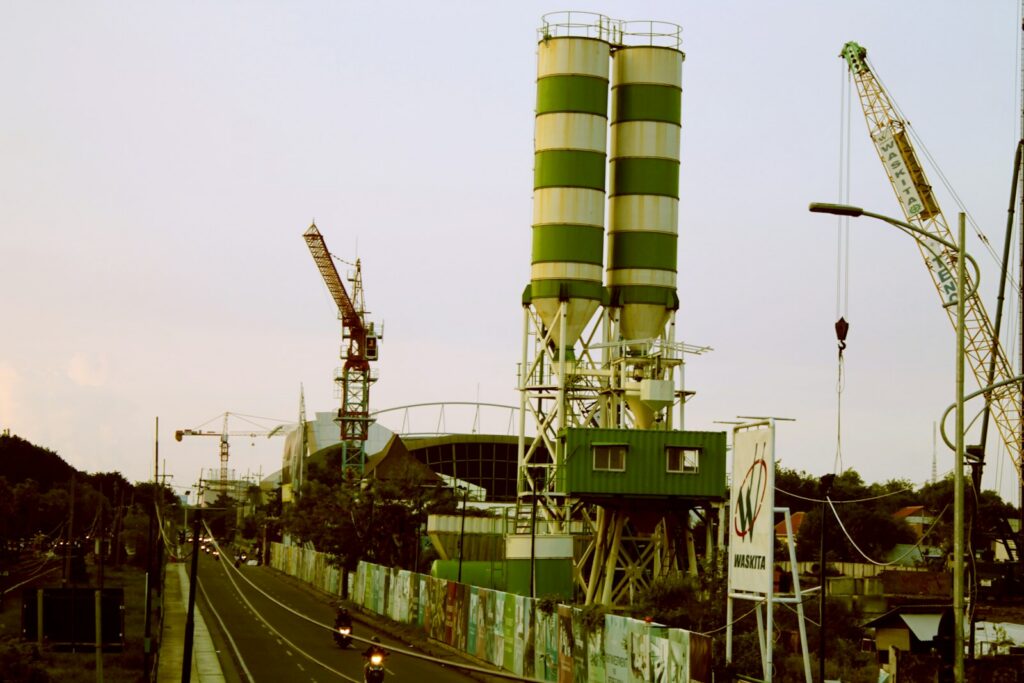
Building materials and concrete
Recipe-based fully automatic dosing and mixing, batch traceability and production reports.
Clients Marsalis Element
// Solutions
What is slowing your production down?
Most software projects start from the same handful of worries: no overview, data scattered, old equipment or fluctuating quality. We have solved these situations hundreds of times — pick your problem and see how we have helped in a similar case.
// Lifecycle and process
From data to decisions —
from mapping to further development
Every software project goes through the same steps. So you know from the start what happens when — and we know nothing gets missed.
01
Consultation and mapping
We map the processes, data sources and goals: what needs to be seen, who needs to know and when. Every factory is approached individually.
02
Architecture and design
Data flows, servers and network, UI and report design, hardware and software selection. With Ignition, also a licence model that doesn’t penalise growth.
03
Data acquisition and integrations
We connect controllers, sensors and devices (Modbus, Profinet, OPC UA) plus ERP and business software into one data flow.
04
Development and testing
Screens, alarms, reports and logic are built in a test environment where they can be tried out with the operators before going to the factory.
05
Go-live alongside production
The new system is built next to the old one and we switch over only once it is tested — production doesn’t stop.
06
Training and documentation
Operators and maintenance can read the data, identify alarms and extend the system themselves. Documentation and backups stay with you.
07
Support and further development
We monitor, update and develop together with the factory — as agreed in the SLA.
Where to start?
Describe your situation — an engineer reviews it and we reply within one working day.
// Software SLA
Software needs maintenance
just like machines
Updates, backups and someone who answers when something doesn’t work. In the SLA we agree the support hours, response and the volume of further development — so the system stays secure, up to date and grows with the factory.
Scope and terms are agreed per client — without an agreement we help on a time-and-materials basis, on working days.
Remote management and monitoring
A secure remote connection to the factory: we monitor the health of the server, connections and data acquisition and resolve most faults without a site visit.
Updates and backups
Platform and operating system updates, regular backups and restore tests, so the system is secure and always recoverable.
Technical support on working days
An engineer is available on working days from 8 to 17. We respond to an SLA client’s fault report within the same working day.
Further development within the agreement
New screens, reports and integrations within an agreed number of hours — the system grows with the factory without starting a new project each time.

// FAQ
Before you start
How is Ignition different from other SCADA systems?
The licence is server-based: an unlimited number of tags, users and connections at no extra cost. Extending the system requires no new licences.
Does building a new SCADA stop production?
No — the new system is built next to the old one and we switch over only once it is tested.
How long does a SCADA system last?
About ten years on average, during which the system is actively kept up to date — which is why it pays to choose a platform whose development is not expensive.
What can be connected to SCADA?
Anything that can be measured: production lines, utilities (water, electricity), indoor climate, stock levels and business software.
Tell us what you need ☎ 56 577 669